Unbreakable is not unscratchable: caring for plastic dinnerware

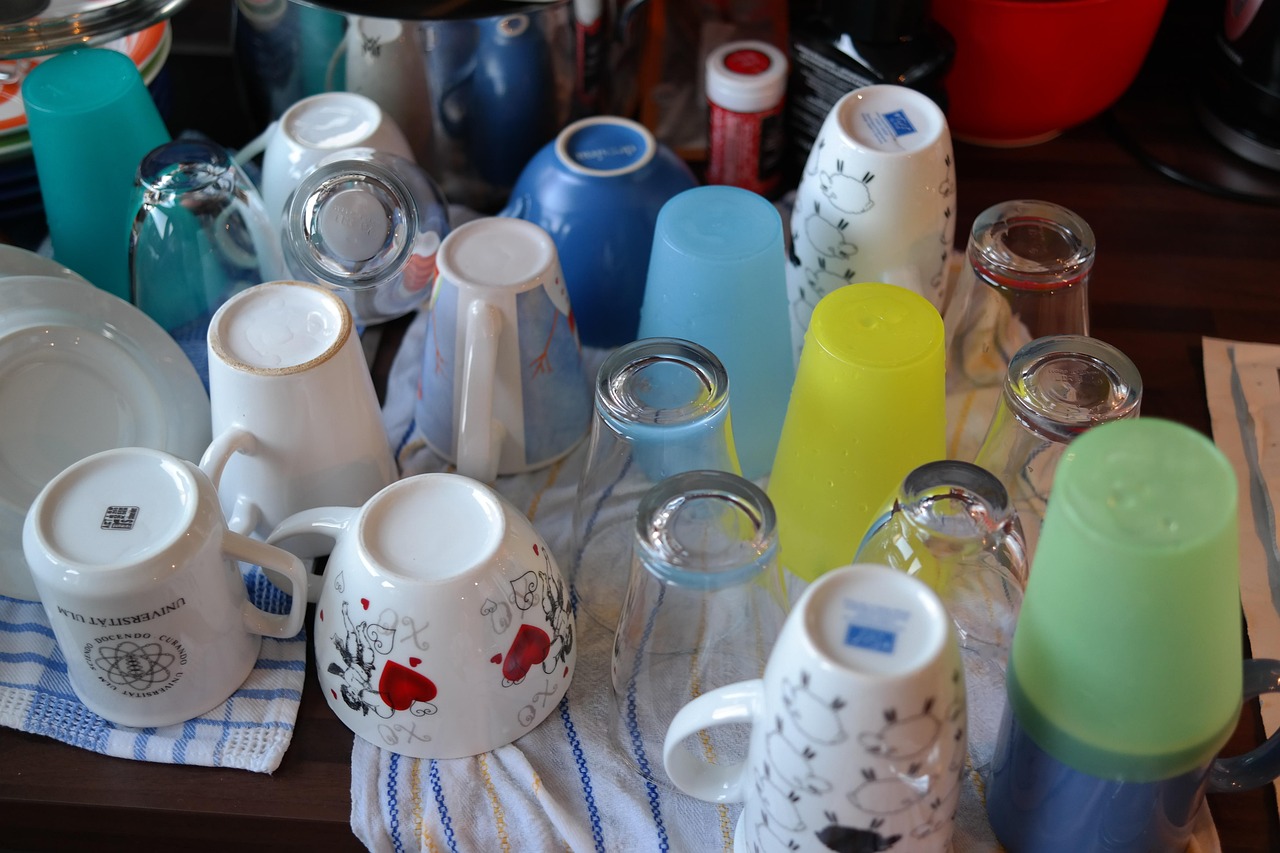
Plastic dinnerware, whether crafted from sturdy melamine or environmentally conscious wheat straw, has earned its place in countless homes and establishments for its unparalleled durability. It resists chips, shatters, and the general wear and tear that quickly sends ceramic or glass alternatives to the bin. This resilience makes it a popular choice for busy families, outdoor dining, and anywhere accidental drops are a common occurrence. Indeed, the very nature of these materials means they are built to withstand a considerable amount of impact, offering peace of mind that a minor mishap won’t ruin your meal service.
However, the common misconception that “unbreakable” also means “impervious to all damage” often leads to premature ageing of these otherwise robust items. While your plastic plates and bowls may survive a fall from the kitchen counter unscathed, their surfaces are far from invincible. They are susceptible to scratches, scuffs, and discolouration, which, over time, can diminish their aesthetic appeal and even affect their hygiene. This guide from Balter Sales Co. aims to equip you with the practical knowledge needed to keep your plastic dinnerware looking its best for years to come, ensuring its longevity matches its famed durability.
Understanding Your Materials
Melamine dinnerware is crafted from a thermosetting plastic, known for its incredible hardness and resistance to breaking. It boasts a smooth, often glossy finish, making it a favourite for both casual and more formal settings where durability is key. This material is designed to withstand high-traffic use, resisting the effects of daily washing and handling, and maintaining its structural integrity far longer than many conventional dinnerware options. Its robust nature is a significant draw for those seeking a long-lasting solution.
Wheat straw dinnerware, on the other hand, presents an appealing eco-friendly alternative, being made from the fibrous by-products of wheat harvesting. It is typically lighter and offers a slightly more matte finish compared to melamine. While also remarkably durable and resistant to shattering, its composition can feel a little different in hand. Both materials are excellent choices for everyday use, but understanding their subtle differences is the first step in effective, tailored care.
The Truth About Scratches
The primary reason plastic dinnerware scratches is simply down to material hardness. While tough against impact, plastics like melamine and wheat straw are generally softer on their surface than materials like ceramic glazes or glass. This makes them vulnerable to abrasion from harder objects, particularly metal cutlery. Every time a fork or knife scrapes across the surface, tiny grooves can be created, gradually accumulating to form a network of visible scratches that dull the original finish.
These scratches, while often perceived as purely cosmetic, can have practical implications over time. Deeper grooves can become traps for food particles and detergents, making the items harder to clean thoroughly and potentially harbouring bacteria. Moreover, extensive scratching can compromise the aesthetic appeal of your dinnerware, making it look worn and aged even if it’s still perfectly functional. Proactive measures are essential to minimise this common form of wear.
Washing by Hand – The Gentle Approach
When washing plastic dinnerware by hand, gentleness is paramount. Always opt for soft cleaning tools, such as microfibre cloths, non-abrasive sponges, or even just your bare hands. Pair these with a mild dish soap that’s free from harsh chemicals or strong degreasers. Vigorous scrubbing with abrasive pads, scouring powders, or steel wool is a guaranteed way to introduce unsightly scratches and dull the surface, diminishing the material’s protective layer and overall appearance.
It is also highly advisable to rinse your plastic items immediately after use, especially if they’ve held foods with strong colours or acidic content, like tomato sauce, curries, or berries. Allowing food residues to dry and harden on the surface often necessitates more aggressive scrubbing later, increasing the risk of scratches. A quick rinse prevents much of this, making the subsequent gentle wash far more effective and less damaging to the dinnerware’s finish.
Pre-Soaking Tips
For items with stubborn, dried-on food particles, a short pre-soak can work wonders. Fill the basin with warm (not hot) water and a squirt of mild dish soap, then submerge the dinnerware for 10-15 minutes. This softens the food residue, allowing it to be easily wiped away with a soft sponge, eliminating the need for any harsh scrubbing. Avoid extended soaking, especially in very hot water, as this can sometimes lead to discolouration or affect the material’s integrity over time.
Ensure that the water used for soaking is not excessively hot, as prolonged exposure to high temperatures can potentially impact the finish of some plastic dinnerware. The goal is simply to loosen the food, not to cook it further onto the surface. After soaking, gently wipe and rinse as normal, paying attention to any crevices or textured areas where food might still cling. This simple step significantly reduces the likelihood of damage during the main washing process.
Dishwasher Care – Temperature and Placement
Most plastic dinnerware, including melamine and wheat straw, is generally dishwasher safe. However, checking the manufacturer’s specific guidelines is always prudent, as heat tolerances can vary. When using a dishwasher, opt for lower temperature cycles if available. Extremely high heat, particularly in the drying cycle, can, over time, cause plastics to lose their lustre, become brittle, or even slightly warp, leading to a dull, faded appearance that cannot be restored.
Proper loading is crucial to prevent scratching in the dishwasher. Avoid overcrowding the racks, as items rubbing against each other during the wash cycle can create friction and abrasion. Ensure that dinnerware is placed securely, with enough space for water and detergent to circulate freely. Keep plastic items away from heating elements, especially in older dishwashers, as direct heat can cause warping or melting. A gentle cycle is usually the best choice for preserving the finish.
Avoiding Overcrowding
When loading your dishwasher, resist the urge to pack in too many items at once. Overcrowding not only hinders proper cleaning but also increases the risk of items banging and rubbing against each other throughout the wash and rinse cycles. This constant friction is a common cause of superficial scratches and dulling of the plastic surface. Give each piece enough room to move freely without making contact with its neighbours or the dishwasher racks themselves.
Pay particular attention to how bowls and plates are stacked. Avoid nesting bowls too tightly if they don’t have built-in separators, as this can lead to abrasive contact. Similarly, ensure that larger plates are not wedged in a way that causes their edges to scrape against other items or the tines of the rack. A well-organised dishwasher load is a key factor in maintaining the pristine condition of your plastic dinnerware and extending its usable life.
Cutlery Considerations
Metal cutlery is arguably the biggest culprit when it comes to scratching plastic dinnerware. The hard, sharp edges of forks, knives, and even spoons, when dragged or scraped across the surface, will inevitably leave marks. While it might not always be practical, using plastic or silicone cutlery, especially for children or for very casual outdoor dining, can significantly reduce the incidence of scratches. This simple swap offers excellent protection for your plates.
When using metal cutlery, encourage gentle use. Avoid sawing motions with knives directly on the plate and try to minimise scraping with forks or spoons. Teach children and remind adults to be mindful of how they interact with their dinnerware. Furthermore, never use plastic plates or bowls as a cutting board, as knife blades will easily score the surface deeply, creating irreversible damage and potential hygiene issues. A separate cutting surface is always the best practice.
Stains and Discolouration
Despite their smooth surfaces, plastic dinnerware can be susceptible to staining and discolouration, particularly from highly pigmented foods. Common culprits include tomato-based sauces, turmeric and curry dishes, beetroot, and even coffee and tea if left to sit. The porous nature of plastic, even if microscopic, can absorb these colours over time. The best defence against staining is immediate action: rinse plates thoroughly as soon as the meal is finished.
For more stubborn stains that have set in, a simple paste of baking soda and a little water can be surprisingly effective. Apply the paste to the stained area, let it sit for a few minutes, then gently scrub with a soft cloth and rinse. For very persistent discolouration, a highly diluted bleach solution (following all safety instructions) can sometimes be used on melamine, but always test on an inconspicuous area first, and avoid it entirely for wheat straw. Sometimes, sun exposure can naturally bleach out minor stains on some plastics.
Storage Practices
The way you store your plastic dinnerware can have a significant impact on its long-term appearance. Simply stacking plates directly on top of each other, especially if they have textured backs or rims, creates constant friction that leads to surface abrasion and scratches. Over time, this cumulative damage can be quite noticeable, dulling the finish and compromising the visual appeal of your dinnerware set, even if it has been handled gently during use and washing.
To prevent this, consider investing in felt plate protectors, or simply use paper towels or thin cloths between each item when stacking. This creates a soft barrier that absorbs any potential friction. Furthermore, ensure that all dinnerware is completely dry before stacking and storing. Residual moisture can lead to unsightly water spots, mineral deposits, or even encourage mould growth in humid environments, particularly problematic for wheat straw items. Store them in a cool, dry place away from direct sunlight.
Longevity and Replacement
Even with the most meticulous care, plastic dinnerware, like all household items, has a finite lifespan. Over years of use, microscopic wear and tear, exposure to heat, and occasional accidents will eventually take their toll. Recognise that while incredibly durable, these materials are not eternal. The goal of proper care is to maximise this lifespan, keeping them functional and aesthetically pleasing for as long as possible, before they eventually need to be replaced.
Signs that it might be time to replace your plastic dinnerware include excessive, deep scratching that makes cleaning difficult and potentially compromises hygiene, significant discolouration that cannot be removed, or any signs of material degradation such as brittleness, chipping, or warping. While plastic’s resistance to breaking is a major advantage, knowing when to retire an item ensures you maintain both the aesthetic standards and the hygienic safety of your dining experience. Thoughtful care significantly delays this point.
The short version
- Always use soft cleaning tools and mild detergents; avoid abrasive scrubbers or harsh chemicals.
- Be mindful of cutlery use and stacking habits; prevent friction by using protectors or loading dishwashers carefully.
- Address stains and food residues promptly with rinsing or gentle cleaning agents to preserve the finish.
Where to go next
Everything discussed here sits under Plates in our shop. Delivery and returns are set out on the Shipping Policy and Refund and Returns Policy pages. If something here does not answer your question, ask us directly — we would rather talk it through than have you buy the wrong thing.