Feeding a crowd: stacking, storing and washing large service sets

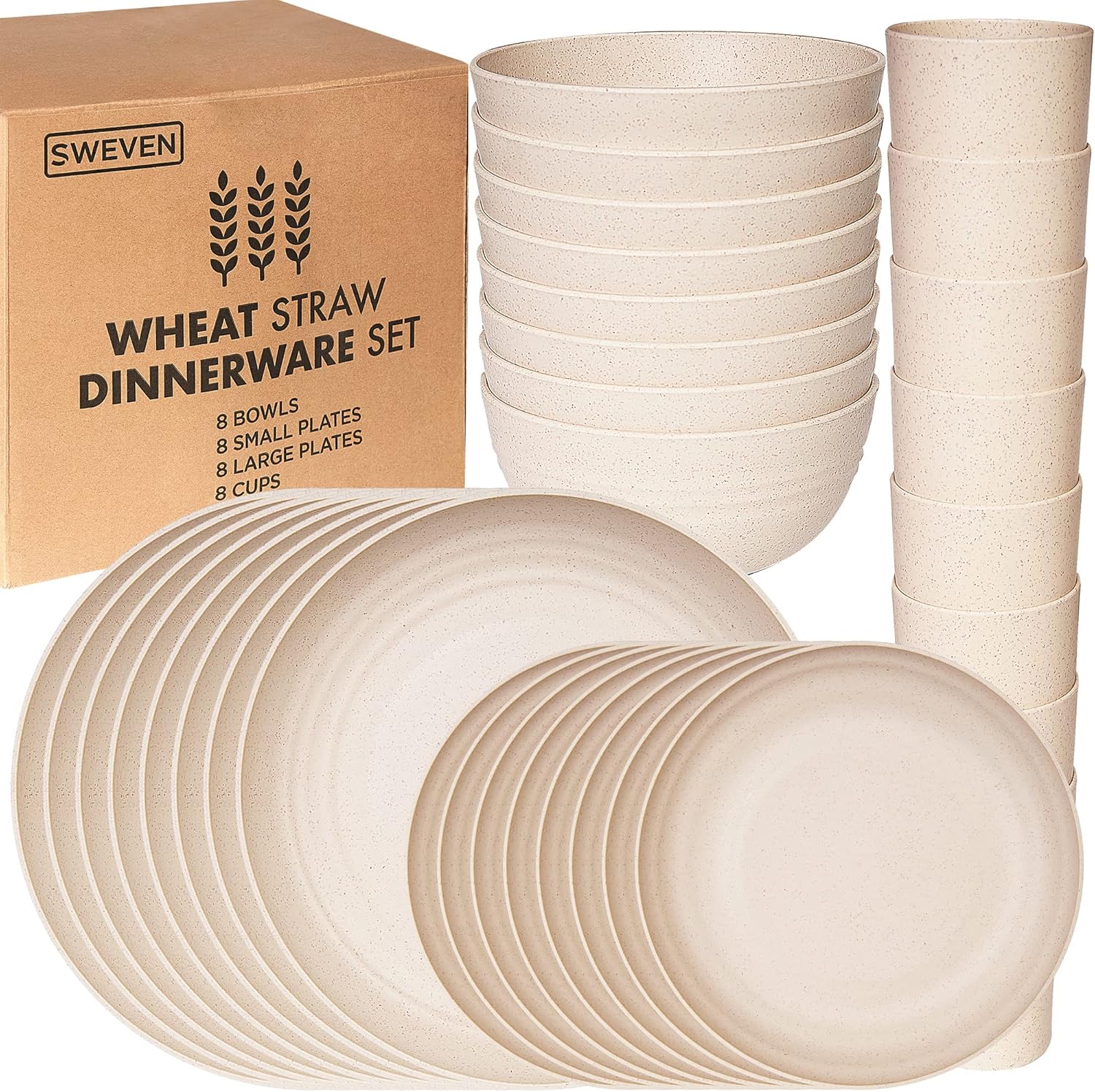
Gathering friends and family around a table for a shared meal is one of life’s genuine pleasures. Whether it’s a casual Sunday brunch, a festive holiday dinner, or a milestone celebration, the joy of feeding a crowd is undeniable. However, the practicalities that follow such gatherings – specifically, managing the sheer volume of dinnerware – can often feel like a daunting task, threatening to overshadow the good memories.
From the initial setup to the final wash-up, handling numerous plates, bowls, and cutlery requires a thoughtful approach. This guide delves into efficient strategies for stacking, storing, and washing large service sets, drawing on insights from materials like wheat straw and melamine. Our aim is to help streamline your post-meal routine, ensuring that hosting large groups remains a delightful experience rather than a logistical challenge.
The Material Advantage: Wheat Straw and Melamine
When selecting dinnerware for large gatherings, the choice of material is paramount. Wheat straw and melamine options offer significant advantages over traditional ceramics or glass. Their inherent durability means they are far less prone to chipping, cracking, or shattering, which is a considerable relief when dealing with high-volume usage and frequent handling by many hands, including younger guests.
Beyond their resilience, these materials are remarkably lightweight. This characteristic is particularly beneficial when setting a large table or, more crucially, when clearing it. Carrying stacks of dirty plates and bowls becomes less of a physical strain, and their robust nature makes them ideal for the rigours of repeated machine washing, drastically reducing the stress of potential breakages.
Smart Stacking Strategies
Effective stacking begins with understanding the design of your dinnerware. Uniform sizes and flat bases are key to creating stable, high stacks. Deep plates and bowls often have a lip or foot that allows them to nestle together securely, preventing wobbling. Always ensure items are stacked squarely, aligning edges to distribute weight evenly and prevent slippage.
While the durability of wheat straw and melamine allows for impressive stacking heights, it’s wise to avoid overly tall piles that could topple. For very large sets, consider creating several moderate stacks rather than one towering column. Although less critical for these robust materials, using thin felt dividers between particularly precious or decorative items can offer an extra layer of protection against surface scuffs.
Efficient Storage Solutions
Dedicated Space Planning
Having a designated storage area for your large service sets is fundamental to efficiency. This could involve specific shelves in a pantry, a dedicated cupboard, or even purpose-built racks. The goal is to ensure that items are easily accessible for setting the table and, equally important, for putting them away quickly and without fuss after they have been cleaned and dried.
Categorisation and Accessibility
Organising your dinnerware by type – plates with plates, bowls with bowls, and cutlery in allocated trays – significantly speeds up both setup and clear-down. For items like serving platters or large salad bowls, which may not stack neatly, consider vertical storage solutions or allocating individual shelf space to prevent damage and maximise cupboard capacity.
Pre-Wash Procedures
The initial post-meal steps can dramatically impact washing efficiency. Rather than immediately rinsing every item, focus on thoroughly scraping all food waste into a bin. This not only conserves water but also prevents large food particles from clogging drains or circulating in the dishwasher, ensuring a more effective wash cycle.
As soon as guests finish, encourage the sorting of items. Cutlery can go into a dedicated bin or container, ready for washing. Plates can be stacked by size, and bowls nested. This immediate sorting prevents food from drying onto surfaces, which makes washing much harder, and prepares the items for a streamlined loading process, whether into a dishwasher or a washing-up basin.
Dishwasher Loading Techniques
Maximising Space and Flow
When loading a dishwasher, the aim is to maximise space without overcrowding, allowing water and detergent to reach every surface. Plates should generally face the centre spray arm, with bowls inverted to ensure they drain properly. Cutlery should be placed handle-down in the basket, mixing forks, spoons, and knives to prevent them from nesting together and hindering cleaning.
Detergent and Temperature Control
Always use the recommended amount of dishwasher detergent for your machine and water hardness. Too little might not clean effectively, while too much can leave a residue. For wheat straw and melamine, a standard hot wash cycle is usually sufficient. Avoid excessively high temperatures or aggressive drying cycles which, over time, could potentially impact the material integrity or cause slight warping, though this is rare with modern appliances.
Hand Washing Large Batches
For those times when a dishwasher isn’t available, or for specific items, hand washing large quantities requires a systematic approach. The most effective method is the ‘two-sink’ or ‘two-basin’ technique: one basin filled with hot, soapy water for washing, and another with clear, hot water for rinsing. This ensures that every item is thoroughly cleaned and free of soap residue.
Utilise appropriate cleaning tools – sturdy sponges for general washing and brushes for stubborn food residues. Work systematically from the cleanest items (e.g., glasses, if you have any non-melamine ones) to the dirtiest. Ensure each item is scrubbed clean, paying particular attention to rims and undersides, then rinsed thoroughly and placed on a drying rack immediately to prevent water spots.
Drying and Polishing for Re-use
After washing, proper drying is crucial for hygiene and to prevent water marks. Air drying on racks is the most energy-efficient method for large batches. Ensure adequate space between items for air circulation. Items must be completely dry before stacking and storing to prevent moisture build-up, which can lead to odours or, in rare cases, mould.
For an impeccable finish or if items are needed for immediate re-use, a quick polish with a soft, lint-free cloth is recommended. Melamine, in particular, benefits from this as it helps remove any lingering water spots, leaving a pristine surface. This step also provides an opportunity for a final inspection to ensure every piece is spotless and ready for its next service.
Maintenance and Longevity
Even highly durable materials like wheat straw and melamine benefit from a little ongoing care. Periodically inspect your dinnerware for any signs of wear, such as surface scratches or slight discolouration that can occur over many years of heavy use. While largely resistant to staining, promptly addressing spills of highly pigmented foods can help maintain their original appearance.
To maximise the lifespan of your service sets, avoid using abrasive scrubbers or harsh chemical cleaners, which can dull the finish. Adhering to manufacturer guidelines regarding dishwasher temperatures and avoiding extreme thermal shock (e.g., placing a very hot plate directly into cold water) will ensure your durable dinnerware remains in excellent condition, ready to serve countless future gatherings.
The short version
- Stack uniformly and store efficiently: Use stable stacks, categorise items, and dedicate clear, accessible storage spaces.
- Streamline washing: Scrape food waste thoroughly, sort items immediately, and load dishwashers correctly or use the two-sink hand washing method.
- Ensure complete drying and proper maintenance: Air dry completely before storing and avoid harsh cleaners to extend the life of your dinnerware.
Where to go next
Everything discussed here sits under Sets for Eight or More in our shop. Delivery and returns are set out on the Shipping Policy and Refund and Returns Policy pages, and you may also want Wheat straw dinnerware: what it is made of and what it is good at. If something here does not answer your question, ask us directly — we would rather talk it through than have you buy the wrong thing.