Melamine or wheat straw: which one can go in a microwave

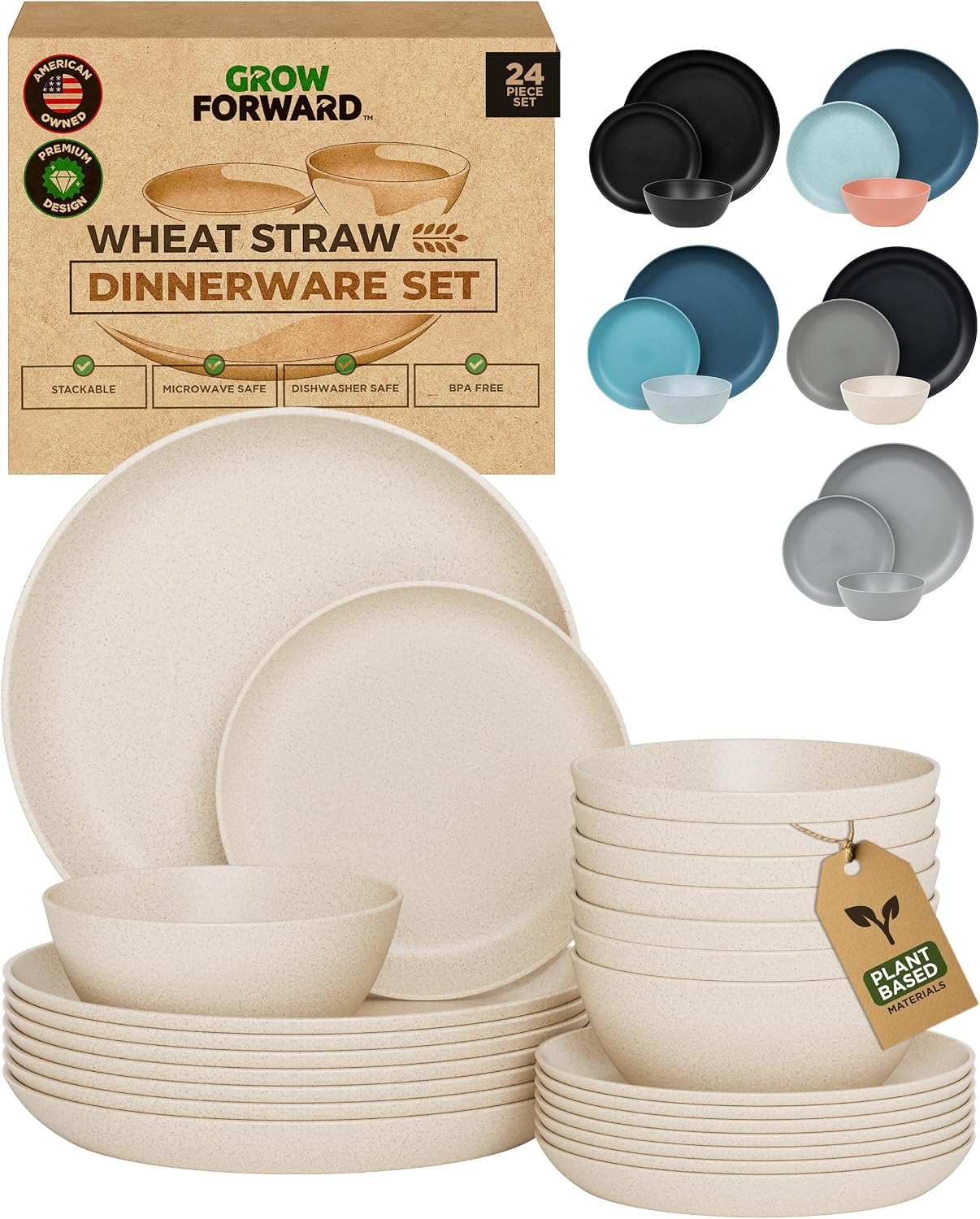
Choosing dinnerware for your home, whether for everyday meals or special occasions, involves considering many factors beyond just aesthetics. Durability, ease of cleaning, and suitability for various uses are all paramount. At Balter Sales Co., we often hear questions from customers trying to make informed decisions about their purchases, especially concerning modern materials like melamine and wheat straw.
One of the most frequent queries we encounter relates to microwave use. In a world where convenience is key, being able to quickly reheat leftovers or warm food in the microwave is a significant advantage. However, not all dinnerware is created equal when it comes to standing up to the intense heat of a microwave. Understanding the properties of each material is crucial for both safety and maintaining the longevity of your items.
Understanding Melamine Dinnerware
Melamine is a hard, thermosetting plastic material known for its exceptional durability and resistance to breakage. It’s manufactured by combining melamine resin with various reinforcing materials, resulting in a robust and rigid product. This makes it a popular choice for dinnerware, particularly in settings where traditional ceramics might be too fragile.
Its inherent strength means melamine dinnerware is highly resistant to chips and scratches, making it ideal for outdoor dining, children’s parties, or busy commercial environments. It also boasts a smooth, often glossy finish that can mimic the look of porcelain or ceramic, but without the associated weight and fragility, offering a practical yet stylish solution.
The Microwave Question for Melamine
When it comes to microwaving, the clear and consistent advice for melamine dinnerware is to avoid it. Melamine is not designed to withstand the high temperatures generated by microwave ovens. Exposing it to such heat can cause the material to degrade, potentially leading to a range of undesirable outcomes that compromise both the dinnerware and your safety.
Manufacturers universally recommend against microwaving melamine products. The primary concern is the potential for the material to leach chemicals into your food, particularly formaldehyde and melamine compounds, when heated above certain thresholds. This risk, though often subtle, is a significant reason to keep melamine out of the microwave.
What Happens When Melamine Heats Up?
Exposing melamine to microwave heat can lead to visible damage to the dinnerware itself. You might notice the items warping, becoming discoloured, or developing cracks over time. The structural integrity of the material can be compromised, leading to a brittle product that is no longer resistant to breakage, defeating one of its primary advantages.
Beyond the aesthetic and structural damage, the more serious concern is the potential for chemical migration. While melamine is generally considered safe for food contact at room temperature, microwave heating can accelerate the transfer of its chemical components into food. Even if imperceptible to taste or sight, this is a risk best avoided entirely.
Understanding Wheat Straw Dinnerware
Wheat straw dinnerware represents a more sustainable and environmentally conscious option in modern table settings. It’s typically made from the waste byproduct of wheat harvesting, which is then processed and combined with a food-grade binder, often polypropylene (PP) or starch, to create a durable and lightweight material for plates, bowls, and cutlery.
The appeal of wheat straw dinnerware lies in its eco-friendly credentials. Utilising agricultural waste reduces landfill burden and the reliance on virgin plastics. It offers a natural, often speckled appearance and a pleasant tactile feel, making it a popular choice for those seeking greener alternatives without compromising on functionality.
The Microwave Question for Wheat Straw
Unlike melamine, wheat straw dinnerware is generally considered microwave-safe, but with important caveats. The “microwave-safe” designation primarily refers to the fact that it won’t typically melt or warp dramatically under controlled microwave use. However, it’s crucial to understand that not all wheat straw products are identical, owing to varying compositions.
The key factor is often the type and proportion of the food-grade binder used in its manufacture. While the wheat straw itself is resilient, prolonged or excessively high heat can still affect the integrity of the binding agent. Always check the specific manufacturer’s instructions for your particular wheat straw items, as recommendations can vary.
Best Practices for Microwaving Wheat Straw
Short bursts and lower power
When using wheat straw dinnerware in the microwave, it’s advisable to heat food in short intervals. Start with 30-60 seconds at a time, checking the food and the dish. Using a medium power setting rather than high can also help to prevent overheating the material, ensuring the dinnerware remains intact and performs as expected.
Avoid overheating and oily foods
While generally microwave-safe, avoid heating wheat straw dinnerware for extended periods or with very oily, greasy foods. Fats and oils can reach much higher temperatures than water-based foods, potentially stressing the material more. Always ensure the item is clean and dry before microwaving, and never use it for cooking, only reheating.
Longevity and Care for Both Materials
Proper care extends the life of both melamine and wheat straw dinnerware. For melamine, hand washing with mild soap and water is always recommended, although many items are top-rack dishwasher safe. Avoid abrasive scourers or harsh chemicals, which can dull the finish and compromise its non-porous surface.
Wheat straw dinnerware is also typically dishwasher safe, usually on the top rack to avoid excessive heat exposure from the heating element. Again, mild detergents are best. Both materials should be stored carefully to prevent scratching, and extreme temperature fluctuations, such as direct placement from a freezer into a microwave, should be avoided for all dinnerware.
Choosing the Right Dinnerware for Your Needs
Ultimately, the choice between melamine and wheat straw depends on your priorities and intended use. If extreme durability, resistance to breakage, and a consistent, solid aesthetic are paramount, and you do not require microwave capability, then melamine is an excellent, long-lasting option for everyday or outdoor dining.
If environmental considerations are a top priority, and you appreciate a more natural look, wheat straw dinnerware offers a fantastic solution. Its ability to be safely microwaved, within sensible limits, adds a layer of convenience, making it a versatile choice for the eco-conscious consumer seeking both function and sustainability.
The short version
- Melamine dinnerware: Absolutely avoid the microwave. High heat can cause damage and potential chemical migration.
- Wheat straw dinnerware: Generally microwave-safe for reheating, but use short bursts and lower power settings.
- Always consult the manufacturer’s specific care instructions for your dinnerware items to ensure safe and proper use.
Where to go next
Everything discussed here sits under Plates in our shop. Delivery and returns are set out on the Shipping Policy and Refund and Returns Policy pages. If something here does not answer your question, ask us directly — we would rather talk it through than have you buy the wrong thing.