Wheat straw dinnerware: what it is made of and what it is good at

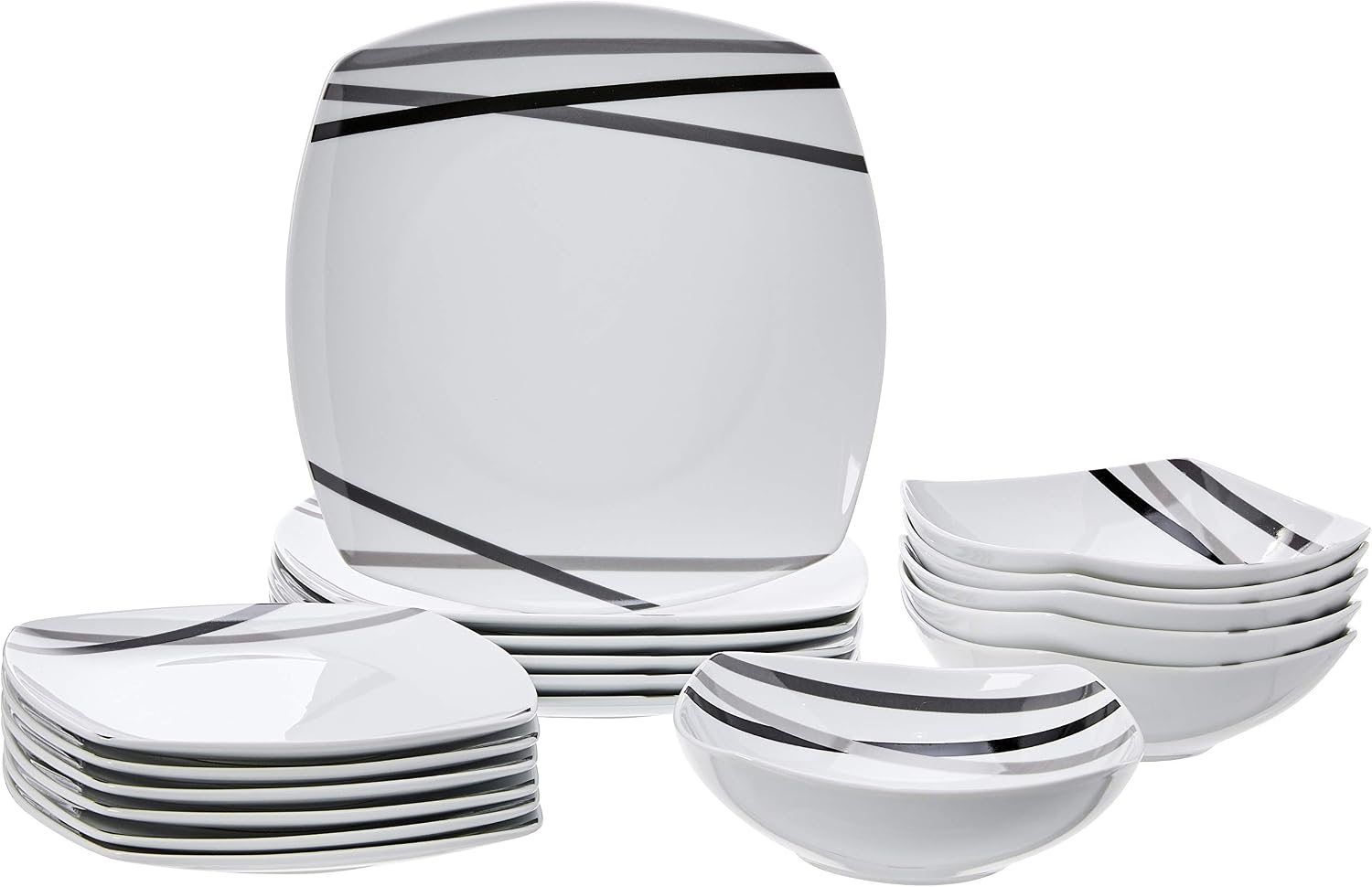
In a world increasingly conscious of its environmental footprint, the choices we make, even for something as everyday as dinnerware, hold greater significance. Wheat straw dinnerware has emerged as a compelling alternative to traditional plastics and ceramics, quickly gaining traction for its blend of sustainability and practicality. This innovative material offers a fresh perspective on how we approach our daily meals, moving towards more responsible consumption without compromising on convenience or style.
For those of us who handle various dinnerware materials daily, understanding the nuances of wheat straw products is key. This article aims to demystify what wheat straw dinnerware is made of, exploring its composition from an agricultural byproduct to a finished plate. Furthermore, we will delve into the specific attributes that make it an excellent choice for modern households, from its impressive durability to its ease of care, helping you make an informed decision for your own table settings.
What is Wheat Straw?
Wheat straw refers to the stalks left over after wheat grains have been harvested. Traditionally, this fibrous material was often considered agricultural waste, frequently burned in fields, contributing to air pollution, or used as animal bedding. However, innovative processes have transformed this abundant byproduct into a valuable resource, forming the primary component of modern wheat straw dinnerware.
Unlike wood pulp or other plant fibres that might require dedicated forestry or specific cultivation, wheat straw is readily available as a residual material from existing food production. Its repurposing significantly reduces waste, offering a naturally derived and renewable source for manufacturing household items. This transformation provides a clear environmental benefit by utilising what was once discarded.
The Manufacturing Process
The journey from a field byproduct to a functional dinner plate begins with rigorous cleaning and sterilisation of the harvested wheat straw. This crucial step removes any residual soil, pesticides, or other impurities, ensuring the material is safe and hygienic for food contact. The cleaned straw is then typically chopped into smaller pieces and often pulped, breaking down the fibres for further processing.
Following the pulping stage, the prepared wheat straw fibres are combined with food-grade binding agents. These binders, often polypropylene (PP) or starch-based polymers, are essential for giving the dinnerware its structural integrity and durability. This composite mixture is then subjected to heat and pressure in moulds, forming the familiar shapes of plates, bowls, and cutlery that we use daily.
Composition and Safety
It is important to understand that wheat straw dinnerware is a composite material, not solely made of straw. The strength and resilience of these products come from the careful blend of natural wheat straw fibres and the chosen binding agent. The most common binder, food-grade polypropylene, is a widely recognised plastic that is stable and safe for direct contact with food.
Manufacturers producing reputable wheat straw dinnerware adhere to strict safety standards, ensuring their products are free from harmful chemicals. This includes avoiding substances like BPA (Bisphenol A), phthalates, and heavy metals, which can be found in some lower-quality plastics. This commitment to safety makes wheat straw dinnerware a reliable and healthy choice for daily use by individuals and families alike.
Durability and Longevity
One of the standout characteristics of wheat straw dinnerware is its surprising durability. Despite its often lightweight feel, these items are designed to be remarkably resistant to chips, cracks, and shattering, a common concern with ceramic or glass alternatives. This inherent resilience makes it an excellent option for busy households, children’s mealtimes, and even outdoor gatherings where accidental drops are more likely.
The combination of strong, natural wheat straw fibres and the robust binding agents contributes significantly to this impressive longevity. This material fusion allows the dinnerware to withstand the rigours of daily use, from handling utensils to temperature fluctuations, without showing premature signs of wear. Investing in wheat straw pieces means acquiring dinnerware that is built to last.
Lightweight and Practicality
The remarkably light weight of wheat straw dinnerware is a major practical advantage that often goes underappreciated until experienced firsthand. This attribute makes it incredibly easy to handle, whether you are setting a table for a large family dinner, packing for a picnic, or simply carrying a stack of plates from the kitchen to the dining area. It reduces strain and simplifies service.
Furthermore, the light nature of these items makes them particularly suitable for children and older adults, minimising the risk of accidental drops and making meal times more manageable and independent. Their design also often prioritises stackability, meaning that even a full set for twelve covers can be stored efficiently, saving valuable cupboard space in any kitchen.
Temperature Resistance and Microwave Use
Wheat straw dinnerware is engineered to perform well across a range of temperatures, effectively holding both hot and cold foods without any concern for deformation or leaching. This versatility means you can confidently serve anything from steaming soups to chilled desserts, knowing your dinnerware will maintain its structural integrity and appearance throughout the meal.
A significant convenience for modern living is that most wheat straw dinnerware is microwave-safe, allowing for quick and easy reheating of leftovers. While generally robust, it is always a prudent practice to consult the manufacturer’s specific guidelines regarding microwave usage, including recommended heating durations and power levels, to ensure the optimal care and longevity of your items.
Dishwasher Safe and Easy Care
The ease of cleaning is a paramount consideration for any everyday dinnerware, and wheat straw products excel in this regard. A substantial number of wheat straw dinnerware sets are designed to be completely dishwasher safe, offering a hassle-free cleanup solution after meals. This saves valuable time and effort, making it a highly practical choice for busy lifestyles.
For the best maintenance and to ensure the longest lifespan of your wheat straw dinnerware, it is generally advisable to place items on the top rack of the dishwasher. While resilient, avoiding excessively high heat settings or harsh abrasive detergents can further help preserve the material’s finish and integrity, ensuring your plates and bowls remain in excellent condition for years.
Environmental Considerations
One of the primary drivers behind the increasing popularity of wheat straw dinnerware is its strong environmental appeal. By repurposing an agricultural byproduct that would otherwise be wasted or burned, this material significantly reduces the demand for virgin plastics and alleviates the environmental impact associated with waste disposal and conventional material production.
While the natural wheat straw fibres are inherently biodegradable, the presence of food-grade binding agents, such as polypropylene, means that most wheat straw dinnerware is not typically home compostable. Nevertheless, its production diverts significant amounts of agricultural waste from landfills and often requires less energy and fewer resources to manufacture than many traditional dinnerware options, contributing to a more sustainable consumption cycle overall.
The short version
- Wheat straw dinnerware is crafted from repurposed wheat stalks and food-safe binding agents, offering a sustainable material choice.
- It is remarkably durable, lightweight, generally microwave-safe, and typically dishwasher-safe for convenient everyday use.
- Opting for wheat straw dinnerware helps reduce agricultural waste and provides a practical, long-lasting alternative to traditional materials.
Where to go next
Everything discussed here sits under the shop in our shop. Delivery and returns are set out on the Shipping Policy and Refund and Returns Policy pages. If something here does not answer your question, ask us directly — we would rather talk it through than have you buy the wrong thing.